
Yavapai County Arrest Warrants Explained
Felony arrests here follow a sworn-statement route. Under A.R.S. §13-3897, the process begins when an affidavit convinces a magistrate that a crime occurred and that the accused committed it. The signed order then tells authorized peace officers to arrest the person and bring them before a judicial officer. Arizona's pre-charge rules changed effective December 1, 2025, so skip older emergency orders and read the current rule. Ask the issuing Yavapai court directly. Write down the case number and the date you confirmed it, then verify the entry with the clerk.
Inside a Yavapai County Arrest Warrant
Arizona Criminal Rule 3.2 lists what a Yavapai County warrant must contain. The public record may show only part of the document. Match the court and case identifiers to separate similar names, and ask the clerk which fields are public.
| Case or warrant identifier | The court’s record key, when released |
|---|---|
| Person | Name or sufficient description required by the rule |
| Offense | The alleged offense named in the order |
| Court | Issuing judicial officer and jurisdiction |
| Bond | Amount or conditions if the matter is bailable and the order states them |
| Direction | Command to arrest and bring the person before a magistrate |
Arizona’s Sworn-Statement Route
A magistrate in Yavapai County weighs probable cause from sworn facts. That is a threshold, not a prediction of how the case ends. The Arizona Courts arrest and bench warrant resource explains the distinction.
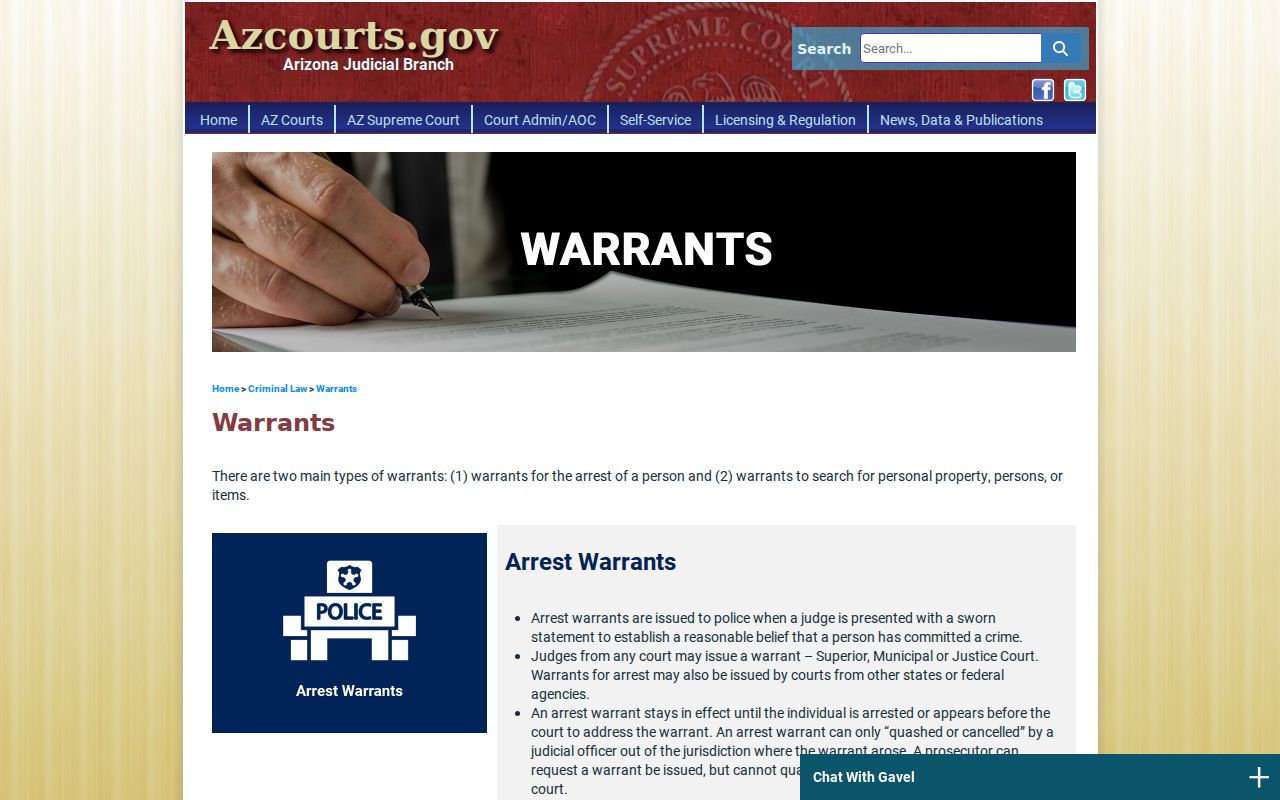
Before acting, identify the warrant type and the issuing court from official material. In Yavapai County, that means starting with the state's own references. The statewide warrants hub separates arrest authority from authority to search property.

That distinction keeps the inquiry tied to the correct record and legal process.
Serving Arrest Warrants in Yavapai County
Criminal Rule 3.2 directs a Yavapai County warrant to Arizona peace officers. Service may fall to YCSO, a city police department, a constable, or another authorized agency depending on jurisdiction. Whoever executes the order, the power to erase it stays with the issuing court. After an arrest, Arizona Courts says a judicial officer must address the person within 24 hours and consider release or bond. Transport, conditions, and timing all depend on the originating court, the charge, and where the person is held.
Yavapai Arrest Records Across Systems
Arizona Public Access can surface the court, case, and public events. For Yavapai County, though, it is not live warrant confirmation.
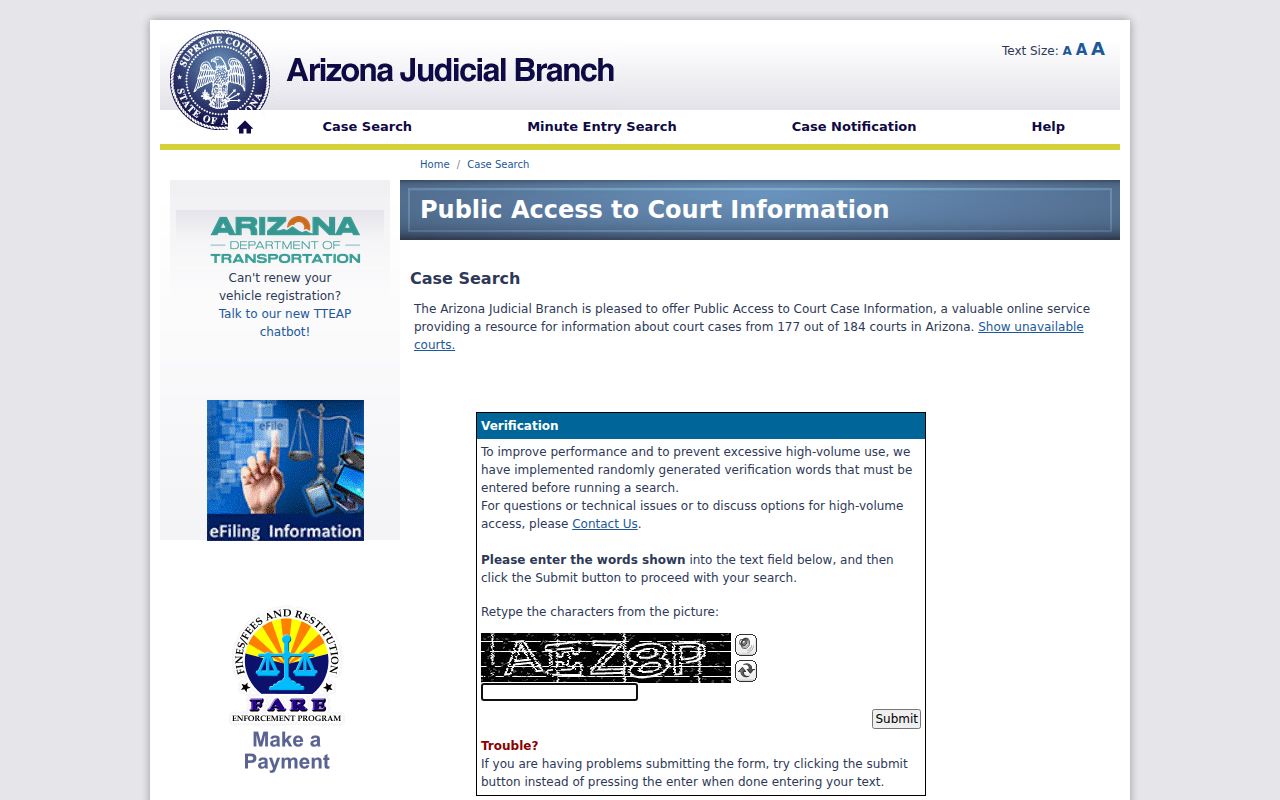
That lookup mainly helps route a question to the right clerk, subject to its exclusions. Arizona eAccess covers eligible Yavapai County Superior Court documents within its rules.
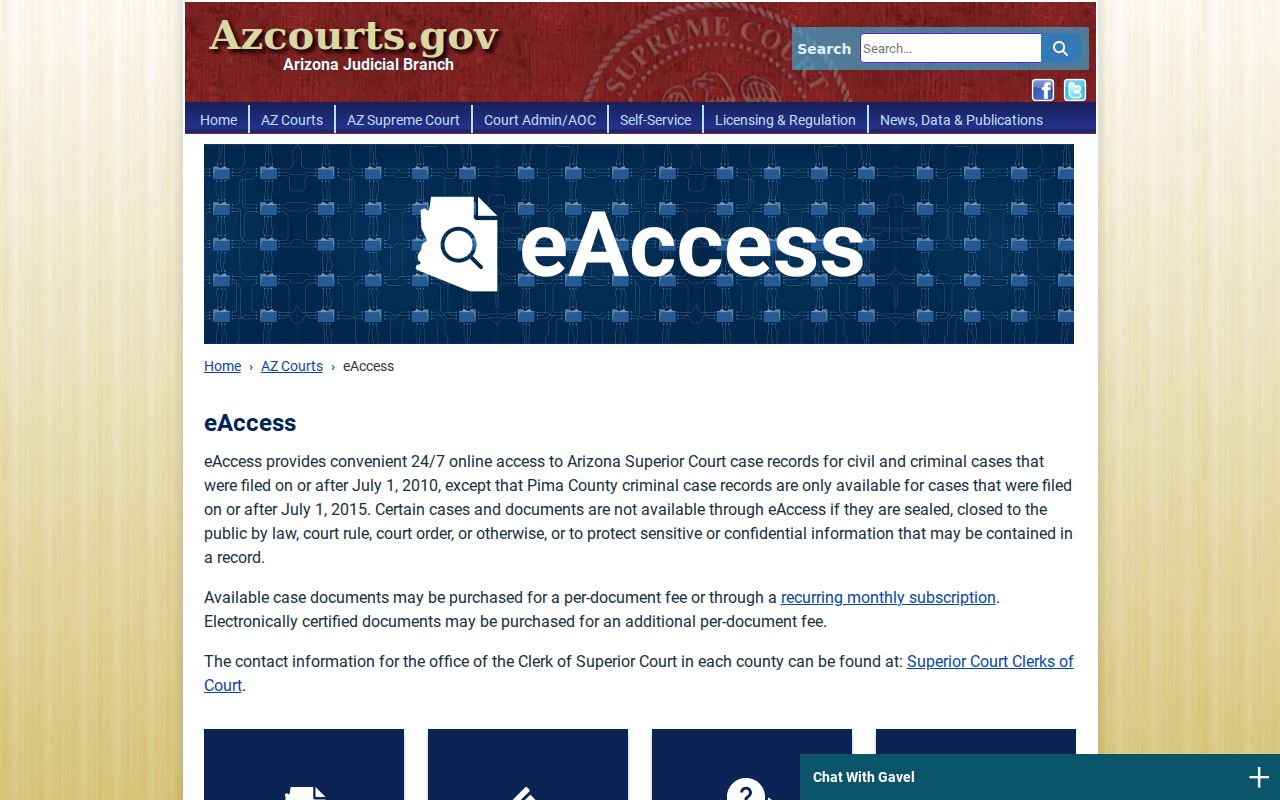
A document’s availability does not certify current warrant status; the issuing court does.
Comparing Arrest, Summons, and Bench Warrants
These tools call for different responses. An arrest warrant authorizes custody on probable cause. A summons asks for a voluntary appearance. A bench warrant usually follows a failure to appear or noncompliance in an existing Yavapai County case. More local detail sits in the bench warrant search.
| Feature | Arrest Warrant | Summons | Bench Warrant |
|---|---|---|---|
| Command | Take into custody | Appear as directed | Custody for missed duty |
| Basis | Sworn probable cause | Charging process | Failure to appear or comply |
| Response | Counsel, surrender, bond | Attend the stated setting | Contact court about recall or appearance |
| Meaning | Not proof of guilt | Not an arrest order | Existing case remains unresolved |
After Arrest and Before Bond Review
In Yavapai County, the sequence after arrest runs custody, booking where applicable, prompt presentation to a judicial officer, and a case-specific release or bond decision. Labels like no bond, extradition, or probation review mean little until confirmed in the individual file. An out-of-state warrant works differently: local officers may discover and execute the order, but the originating jurisdiction alone controls clearance, transport, and its own bond process. The YCSO inmate search answers one narrow question, whether a person is in county custody right now. It says nothing about a warrant another court still has open. Treat detention records and court records as separate checks. If bond is allowed, the Prescott and Camp Verde jail counters accept the methods YCSO lists, and the court of jurisdiction may take bond during business hours. The court's order sets the amount and conditions. A generic fee page or a public-record payment code is never a bond quote.
Who Can Quash a Yavapai Warrant
Only the judicial officer in the originating jurisdiction can recall or quash a Yavapai County warrant. Sheriff records staff, jail personnel, police, and payment vendors cannot erase the order on their own.
Official chain: Search for a lead, identify the court and case, call that clerk, and follow the judge’s procedure with counsel.
A receipt or a release from custody answers a narrower question than a signed court status entry does. Keep the order, hearing notice, receipt, and case number. If a public result still shows the Yavapai County warrant after court action, ask the originating clerk when that system updates.
Why a Yavapai Warrant Is Not Guilt
An arrest warrant rests on a probable-cause decision made early in the process. Hearings and defenses come later. Arizona DPS warns that name-and-birth-date results can be stale, incomplete, or a similar-name match. Verify any Yavapai County hit with the court before treating it as final.
If There Is an Arrest Warrant for You
Write down the issuing court, case number, warrant label, and the date you checked. Talk with an attorney about confirmation, a planned surrender, bond, and any motion that might be available in Yavapai County. If surrender is required, line up transportation and handle personal obligations instead of waiting for an unplanned encounter. YCSO reports that bond may be posted at Prescott or Camp Verde jail counters around the clock, at the court of jurisdiction during business hours, or through the jail's stated online channel. Confirm eligibility and the exact amount before paying.
Important: Independently call the official court or sheriff number. YCSO warns that it does not demand warrant payment by telephone.